
The history of Grand Junction in short
Before there was a town, the land of western Colorado was used by Indigenous people. In 1881 the Ute were removed from the area, and the town of Grand Junction was founded the same year. The name points to the place where two rivers, the Gunnison and the Colorado, come together.
The rest of the story is about water and rails. The railroad connected the valley, irrigation turned dry ground into farmland, and orchards followed. John Otto, who built trails in the canyons, pushed for their protection. You can still see the results today on the Rim Rock Drive and in the orchards of Palisade.
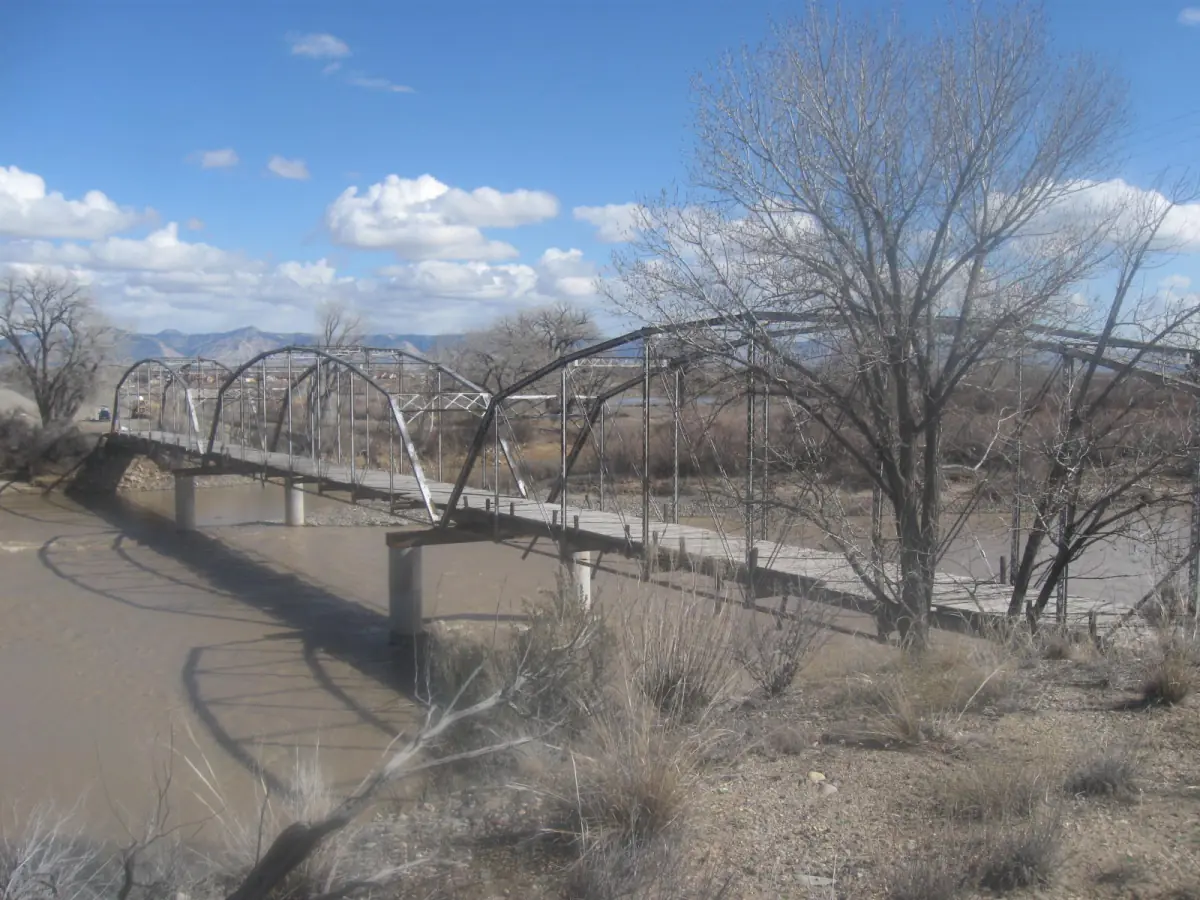
The Ute and the land before the town
Western Colorado was Ute country long before settlers arrived. The Ute were forced out of the area in 1881, and the town was founded after that. The removal was not a voluntary departure. The people were moved onto a reservation by force.
Indigenous use of the region came first, and the town was founded after the removal.
Our pick: downtown ghost walk
A guided walk with stories from the town's past.
Hand-picked tours, booked through GetYourGuide. Prices are indicative starting prices in US dollars (as of October 2026). Tap a tour for live availability and the current price in your currency.
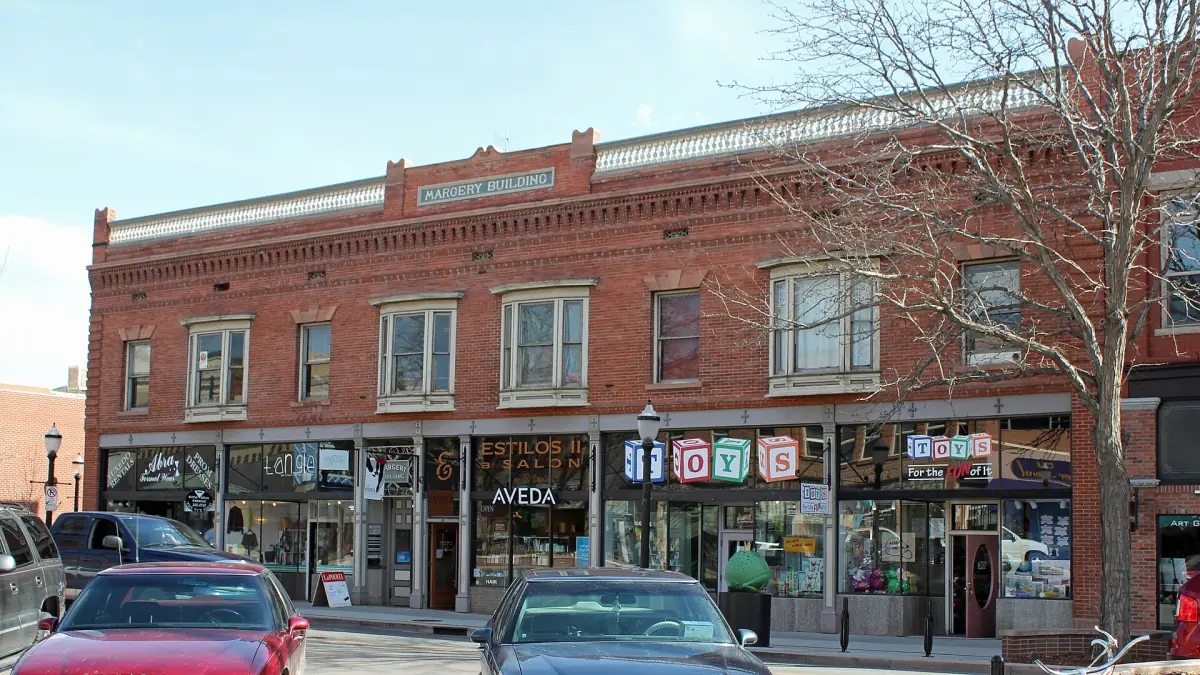
Tours around Grand Junction
Canyon drives, wine country and Grand Mesa trips, with live prices and availability.
Key dates at a glance
The main events in order.
| Year | Event |
|---|---|
| Before 1881 | Indigenous use of western Colorado, including the Ute |
| 1881 | The Ute are removed from the area, and Grand Junction is founded |
| 1882 | The town is incorporated |
| 1882 to 1887 | The railroad arrives in Grand Junction |
| 24 May 1911 | President William H. Taft establishes Colorado National Monument |
The railroad reached Grand Junction in the 1880s, between 1882 and 1887, depending on whether you count the line through town or the main line.
Railroad, water and orchards
How the valley became farmland.
Town and incorporation
Settlement began in 1881, and the legal incorporation followed in 1882. They are two different steps.
The railroad
The line through town dates to 1882, and the main line arrived by 1887. The 1880s are the safe way to date it.
Irrigation and fruit
Large irrigation projects after the railroad opened the area drove the farming boom in the Grand Valley. See Palisade wine country for the valley today.
John Otto and the monument
Otto built trails, argued for protecting the canyons and became the first custodian. President William H. Taft created Colorado National Monument on 24 May 1911. Otto was not the legal founder, and the monument is not part of Grand Canyon National Park.
Traces of the past today
What you can still see in the valley.
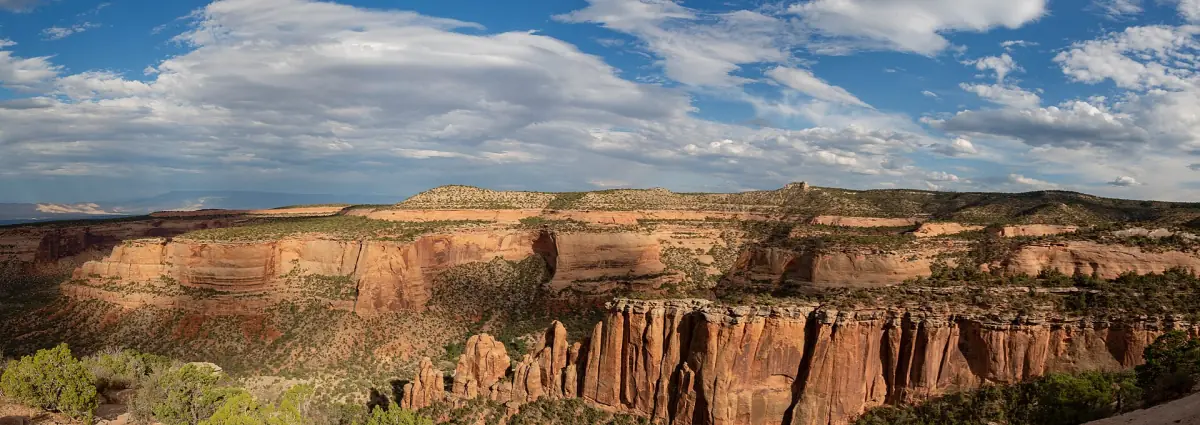
Rim Rock Drive crosses Colorado National Monument for 23 miles, from the east entrance near Grand Junction to the west entrance at Fruita, and it passes the canyons where John Otto built trails. Near Fruita, Dinosaur Hill marks the site of an Apatosaurus dig in 1901. See dinosaurs near Grand Junction. The orchards around Palisade grew out of the irrigation of the valley. Peach season runs from late June to early October, depending on the variety.
Plan the rest of your trip
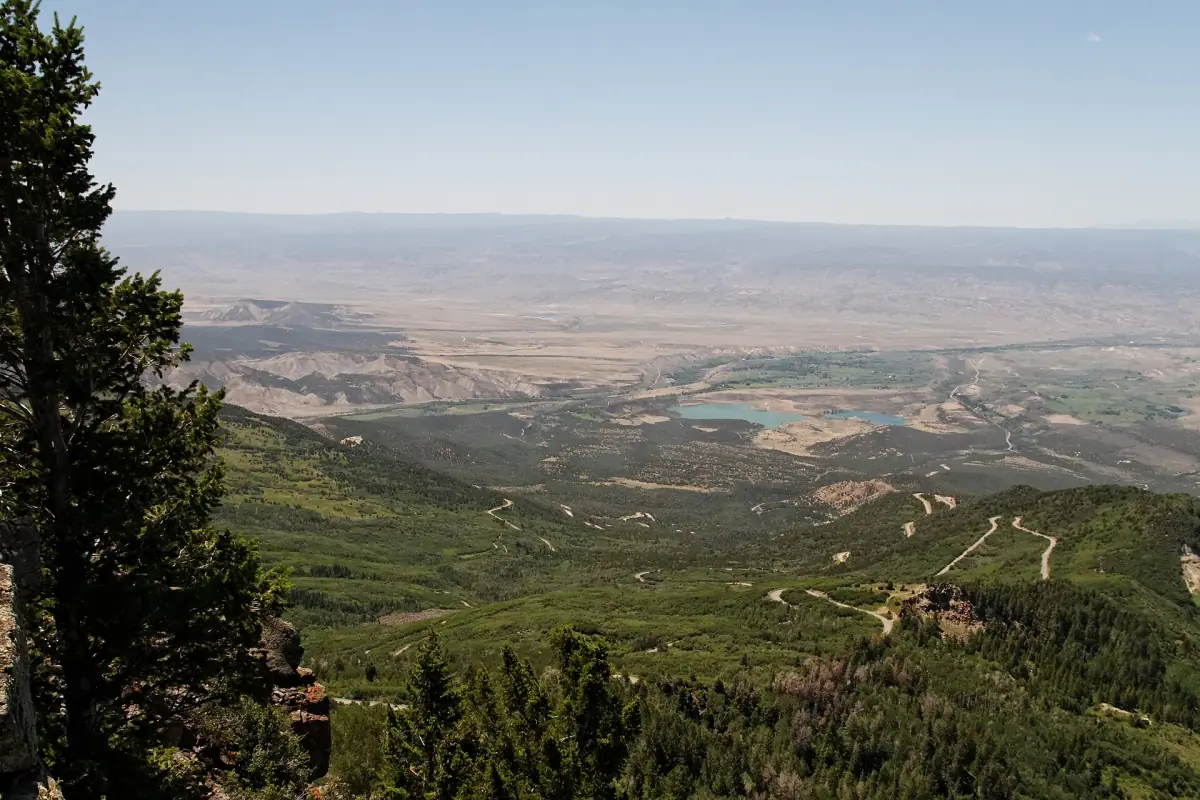
Where to see this history today.
Grand Junction history: frequently asked questions
When was Grand Junction founded?
Settlement began in 1881. The town was incorporated in 1882, which is a separate step.
Who lived here before Grand Junction?
Indigenous people, including the Ute, used western Colorado before the town. The Ute were removed from the area in 1881.
When did the railroad arrive?
Between 1882 and 1887: the line through Grand Junction dates to 1882, and the main line arrived by 1887.
Who was John Otto?
He built trails, campaigned to protect the canyons and became the first custodian of Colorado National Monument. The monument was created by President William H. Taft on 24 May 1911.
Why is the valley full of orchards?
Large irrigation projects after the railroad reached the area made farming possible in the Grand Valley, and fruit became a main crop.